How Long Does It Take to Detox From Alcohol?
The only true way to prevent withdrawal is to address problem drinking before physical dependence develops. Alcohol is one of the few substances where withdrawal can be life-threatening. Unlike withdrawal from many other drugs, alcohol withdrawal can cause seizures, dangerous changes in vital signs, and delirium tremens. Because the progression of symptoms can be unpredictable, medical supervision isn’t just recommended, it’s essential for safety. The first step to a successful detox and rehabilitation from alcohol abuse or alcoholism is checking into a facility qualified to guide you through the alcohol detox process.
Alcoholic hallucinosis: 12–24 hours
As a depressant, alcohol can suppress the central nervous system (CNS), making the body reliant on it with prolonged exposure. It does this by reducing the excitatory portion of the CNS called the glutamate receptors while increasing the inhibitory portion called the gamma-aminobutyric acid receptors. Healthdirect Australia is a free service where you can talk to a nurse or doctor who can help you know what to do.
How Alcoholism Progresses Over Time
After months of sobriety, cravings are less frequent, confidence grows, and day-to-day life feels more stable. This is often when noticeable benefits really start to stack up, like better sleep, clearer skin, improved mood, sharper focus, and more consistent energy. Solutions Healthcare provides structured alcohol detox services with supervised support and professional oversight. Detox programs emphasize safety, symptom management, and clear transition planning into ongoing treatment environments designed to support continuity of care. Hundreds of thousands of people successfully complete medical detox every year and emerge into a new life.

Phase 3: Subacute Withdrawal (3–7 Days)
You might notice mood swings, anxiety, irritability, or heightened emotions, especially since alcohol is no longer there to numb stress or feelings. Triggers can feel more obvious during this time, particularly in social situations or during moments of overwhelm. Symptoms during alcohol detox may include tremors, sweating, nausea, anxiety, sleep disturbances, headaches, and changes in blood pressure or heart rate. Severity can range from mild to serious and may change quickly.
- Some people have relatively mild symptoms that resolve quickly, while others experience more intense or prolonged withdrawal.
- Medical detox provides medications, monitoring, and intervention capabilities that can prevent seizures or respond to them quickly if they occur.
- Medical detox makes the process much more comfortable and safe.
- This stage also introduces more concerning symptoms as your brain’s hyperactivity increases.
Areas and Cities We Serve SUD & Mental Health Treatments
Some people experience post-acute withdrawal symptoms like anxiety and sleep problems that can last several months. Because withdrawal can be unpredictable and potentially dangerous, medical supervision is strongly https://andaman.cc/11-ways-to-curb-your-drinking/ recommended for anyone with a history of heavy drinking. For some people, the risks of alcohol withdrawal include long-term disability and death. This is particularly true for those who have been through multiple detoxification and addiction cycles.
- New brain cells develop within a year after abstaining from drinking.
- This may involve one one-on-one sessions with a social worker or therapist to help you deal with mental health issues or past traumas.
- These sessions help you stay on track and reduce the risk of a relapse..
- Some behaviours, such as gambling and online gaming are also addictive.
- This is not just a physical reprieve; it’s a profound psychological one.
In this article, we will explore the process of alcohol withdrawal, its symptoms, and most importantly, how to manage these symptoms to ensure a smooth transition into sobriety. Awareness of these stages underscores the importance of seeking medical supervision during detox, as complications can be severe and sometimes fatal if not addressed promptly. Medications used to treat alcohol withdrawal symptoms include benzodiazepines, barbiturates, and anti-seizure medications. These medications can help alleviate symptoms such as anxiety, insomnia, and seizures, and can reduce the risk of complications.
General Health
- It can be hard to find (or even know) the balance of how much alcohol your body is able to handle.
- So, how much should you start cutting back as you work toward an alcohol-free lifestyle?
Since your body has adapted to the constant presence of alcohol, alcohol withdrawal its abrupt removal will disrupt the equilibrium your body has created. You’ll be in a hyper-aroused state, which is a common alcohol withdrawal symptom. Dr. Nelson has worked in the behavioral health field for more than 22 years. He has served as a clinical director, clinician, and supervisor for mental health pro- grams in acute, sub-acute, and outpatient facilities, and in primary care.
BEHAVIORAL HEALTH PROGRAMS

You learn ways to cope with situations without drinking and develop techniques for avoiding alcohol in Sober living house real-world settings. Recovery in a controlled environment greatly increases the chances of long-term success. Alcohol detox centres provide a safe, calm setting for recovery along with evidence-based treatment to help reduce the risk of future relapses. Because nausea is a common symptom during detox, anti-nausea medication is sometimes used during the withdrawal phase of addiction recovery. Some commonly prescribed anti-nausea medications during detox include ondansetron and metoclopramide. Between 12 and 24 hours, after individuals stop drinking, some people may experience tactile, auditory or visual hallucinations.
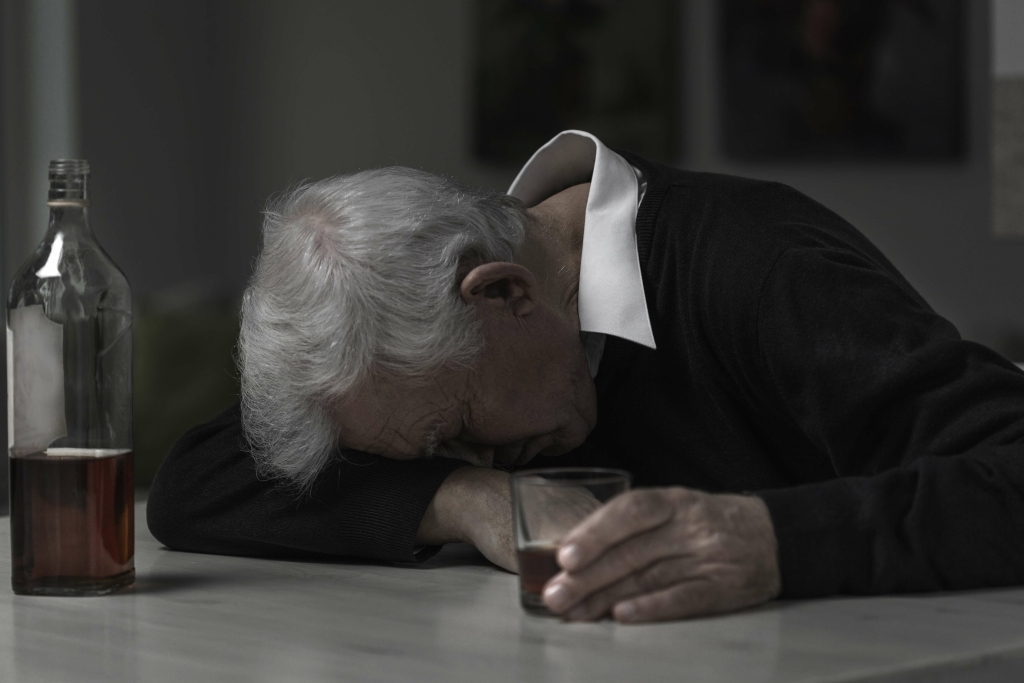
Stopping alcohol can make you feel happier by allowing you to experience positive emotions without alcohol. Quitting alcohol can help reduce the depression and anxiety that alcohol can bring and significantly improve your situation in life, increasing your overall happiness. Serious alcohol misuse can decrease your lifespan by as much as 28 years compared to those who don’t drink. This huge change in lifespan is due to the numerous medical problems that alcohol can cause. Heavy alcohol use can affect the health of your heart, brain, kidneys, liver, pancreas and digestive tract. It can also increase your risk for many different types of cancers.